





How will AI change aviation? It already has.
By Warwick Brady, President & CEO, Swissport
A few years into the AI boom, most businesses now have a much clearer view of where technology creates real value—and where it doesn’t. Yet I’m still often asked how AI will change aviation, as if that change isn’t already underway.
The reality is that, behind the scenes at more than 300 airports worldwide, our teams already use AI-powered tools every day. In an industry as complex and fast-moving as aviation, being able to track, interpret and act on live data is proving invaluable.
Between an aircraft landing and departing again, an extraordinary amount of work takes place. Planes are refuelled, baggage and cargo unloaded, cabins cleaned, and hundreds of passengers moved. There is little room for error, and delays in one task can quickly ripple through the entire operation.
Smooth operations depend on identifying and resolving issues early. But with thousands of activities taking place simultaneously across an airport, maintaining a clear, real-time view has always been a challenge.
AI is changing that.
Every aircraft turnaround generates hundreds of data points. Combined, they give us a bird’s-eye view of our operations, enabling smarter decisions that improve safety, efficiency and performance. The more our teams understand what is happening around them, the better equipped they are to keep airports running safely and smoothly.
That is why our in-house innovation hub, Swissport Labs, focuses on developing tools that turn data into practical insights.
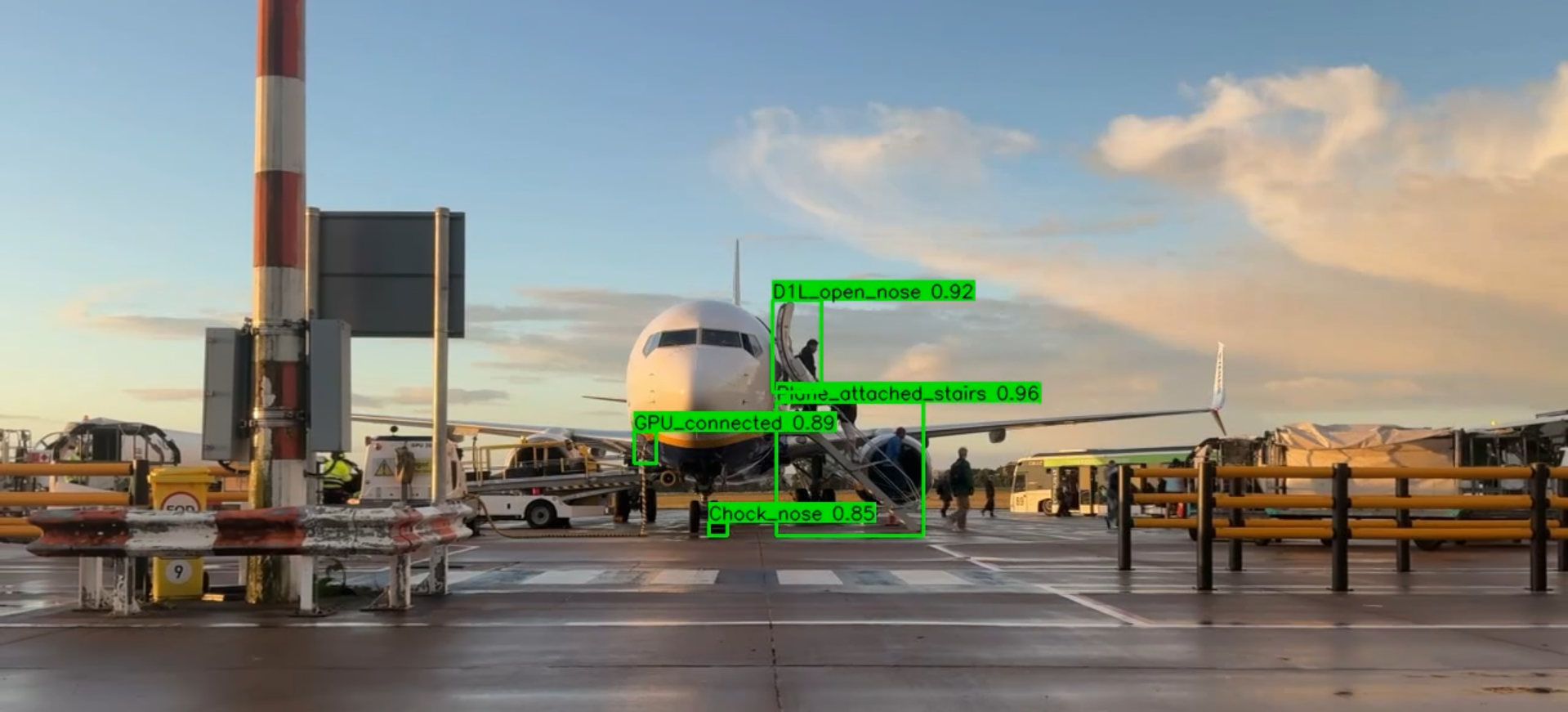
- TurnSmart uses AI-powered cameras to provide continuous visibility during aircraft turnarounds.
- AI dash cams in our North American vehicle fleet have reduced operational incidents by 60% in just six months.
- SmartGSE tracks ground support equipment across airports, reducing the time teams spend searching for critical vehicles.
- And if our teams have doubts on the ground, our OneKnowledge AI app responds questions in their native language in seconds.
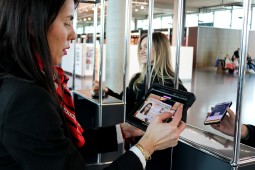
We have no interest in technology that sounds impressive but delivers little value. We invest in AI where it solves real operational problems. MatchBox, our digital passenger documentation tool, for example, has completed more than 4.26 million document validations without a single error. With thousands of passengers deemed inadmissible at international borders each year due to documentation or entry requirement issues, the benefits are clear.
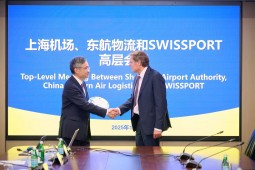
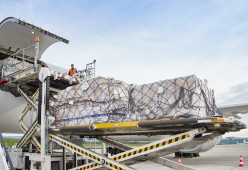
Across our global network, AI is already transforming operations. At our Shanghai Pudong facility, the world's most technologically advanced, AI-enabled warehouse systems process up to 3,500 parcels per hour with 99.5% accuracy, helping shipments reach international markets up to two days faster. Meanwhile, at Zurich Airport, we are pioneering a fully autonomous baggage handling vehicle.
Aviation, at its core, remains a hands-on business. Even when we integrate AI into robotic systems, the goal is to automate repetitive tasks so our people can focus on work that requires contextual judgement and human expertise.
That is why, in our industry, it makes more sense to talk about Operational Intelligence than Artificial Intelligence. Information only creates value when it supports better operational decisions. AI can predict demand, identify emerging risks and recommend where resources should be deployed. But it cannot refuel an aircraft, load fragile cargo or deliver exceptional service to passengers.
Ultimately, people make the decisions that keep aviation moving. Our Integrated Control Centre in Birmingham demonstrates this approach by bringing together live operational data so teams can monitor performance and respond immediately as conditions change. It has also created highly skilled jobs locally.
AI may reduce the need for people in some industries. In aviation, it is helping us grow by expanding capacity, empowering our teams and changing the way we fly for the better.
We are leading our sector’s tech transformation and will continue embracing AI wherever it makes our operations safer and more efficient.
But one principle will never change: behind every safe flight is a person. People will always be aviation’s invisible backbone.